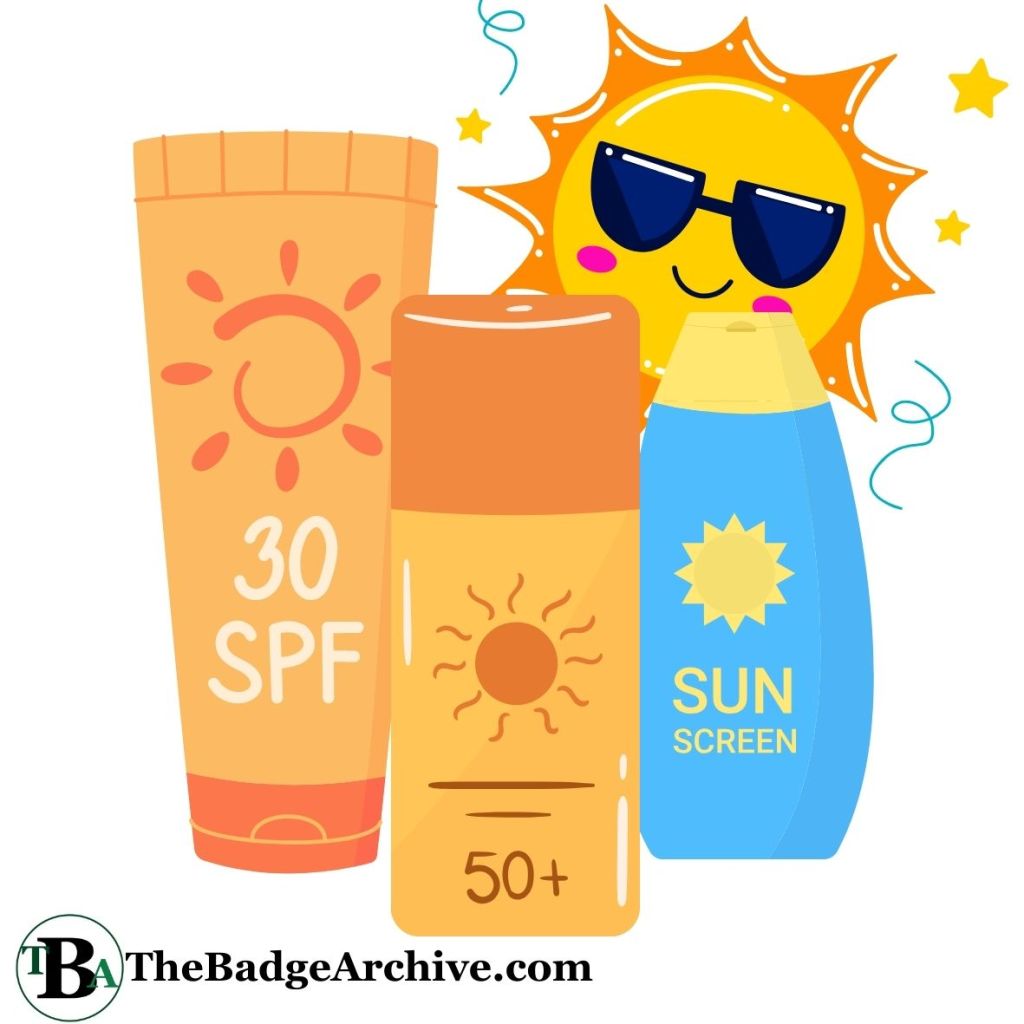
Sunscreen is vital for preventing skin cancer, sunburn, and premature aging. Dermatologists recommend that teens use a broad-spectrum sunscreen with SPF 30 or higher daily, and SPF 50+ for extended outdoor activity.
What Sunscreen Does
- Prevents skin cancer: Most skin cancers are caused by ultraviolet (UV) radiation. Sunscreen reduces this risk by filtering harmful rays.
- Protects against sunburn: UVB rays are the main cause of sunburn. Sunscreen blocks or absorbs these rays.
- Slows premature aging: UVA rays penetrate deeper into the skin, causing wrinkles, age spots, and loss of elasticity. Broad-spectrum sunscreen protects against both UVA and UVB.
- Works year-round: Up to 80% of UV rays penetrate clouds, so sunscreen is necessary even on cloudy days.
- Complements other protection: Sunscreen should be combined with shade, protective clothing, hats, and sunglasses for full sun safety.
What to Use
- Dermatologist consensus: Use SPF 30 or higher daily, and SPF 50+ for prolonged outdoor activities like sports or swimming.
- Broad-spectrum protection: Always choose sunscreens labeled “broad spectrum,” which protect against both UVA (aging rays) and UVB (burning rays).
- Water resistance: Look for water-resistant formulas, especially for outdoor sports or swimming. “Water-resistant” means protection lasts 40 minutes in water; “very water-resistant” lasts 80 minutes.
- Skin type considerations:
- Teens with acne-prone skin should use oil-free, non-comedogenic sunscreens to avoid breakouts.
- Adults may prioritize hydration, anti-aging, or pigment correction depending on skin concerns.
- Sensitive skin may benefit from mineral sunscreens (zinc oxide or titanium dioxide), which are less irritating.
- Application tips:
- Apply sunscreen 15 minutes before going outside.
- Use about 1 ounce (a shot glass) to cover exposed skin.
- Reapply every 2 hours, or after swimming/sweating.
Cosmetic Compatibility & Anti-Aging
- Tinted sunscreens are popular for blending with makeup and reducing hyperpigmentation.
- Moisturizing formulas with hyaluronic acid or ceramides are often preferred for mature or dry skin.
- A lightweight, blendable texture that doesn’t pill or interfere with cosmetics can be layered with serums, moisturizers, and makeup.
- Those with prior sun damage may use dermatologist-recommended sunscreens that support treatment plans for melasma, actinic keratosis, or photoaging.
- Adults may choose sunscreens with added antioxidants (like vitamin C or E), niacinamide, or peptides to help fight existing sun damage and support collagen.
–
Click Here -> To see information References:
Disclaimer: The information published on The Badge Archive is built from the references listed below. These sources demonstrate that our content is grounded in facts and research, not opinion or speculation. Readers may consult them directly when looking for additional material.
- American Academy of Dermatology Association. “Sunscreen FAQs.” AAD, 19 Oct. 2023, http://www.aad.org/media/stats-sunscreen. Accessed 2 Dec. 2025.
- Berg, Sara. “What Doctors Wish Patients Knew about Wearing Sunscreen.” American Medical Association, 4 June 2025, http://www.ama-assn.org/public-health/prevention-wellness/what-doctors-wish-patients-knew-about-wearing-sunscreen. Accessed 2 Dec. 2025.
- Centers for Disease Control and Prevention. “Sun Safety Facts.” CDC, 3 May 2024, http://www.cdc.gov/skin-cancer/sun-safety/index.html. Accessed 2 Dec. 2025.
- George, Saira. “8 Common SPF Questions, Answered.” MD Anderson Cancer Center, 23 May 2025, http://www.mdanderson.org/cancerwise/what-spf-should-i-use.h00-159776445.html. Accessed 2 Dec. 2025.
- Reimel, Erin. “Practice Sun Safety with These New SPF Guidelines.” HealthCentral, 29 May 2025, http://www.healthcentral.com/news/skin-cancer/practice-sun-safety-new-spf-guidelines. Accessed 2 Dec. 2025.
- U.S. Food and Drug Administration. “Sunscreen: How to Help Protect Your Skin from the Sun.” FDA, 2019, http://www.fda.gov/drugs/understanding-over-counter-medicines/sunscreen-how-help-protect-your-skin-sun. Accessed 2 Dec. 2025.
- Wu, Dominic. “Sun Protection: Appropriate Sunscreen Use.” Harvard Health Blog, 21 June 2018, http://www.health.harvard.edu/blog/sun-protection-appropriate-sunscreen-use-2018062114114. Accessed 2 Dec. 2025.





 The Badge Archive