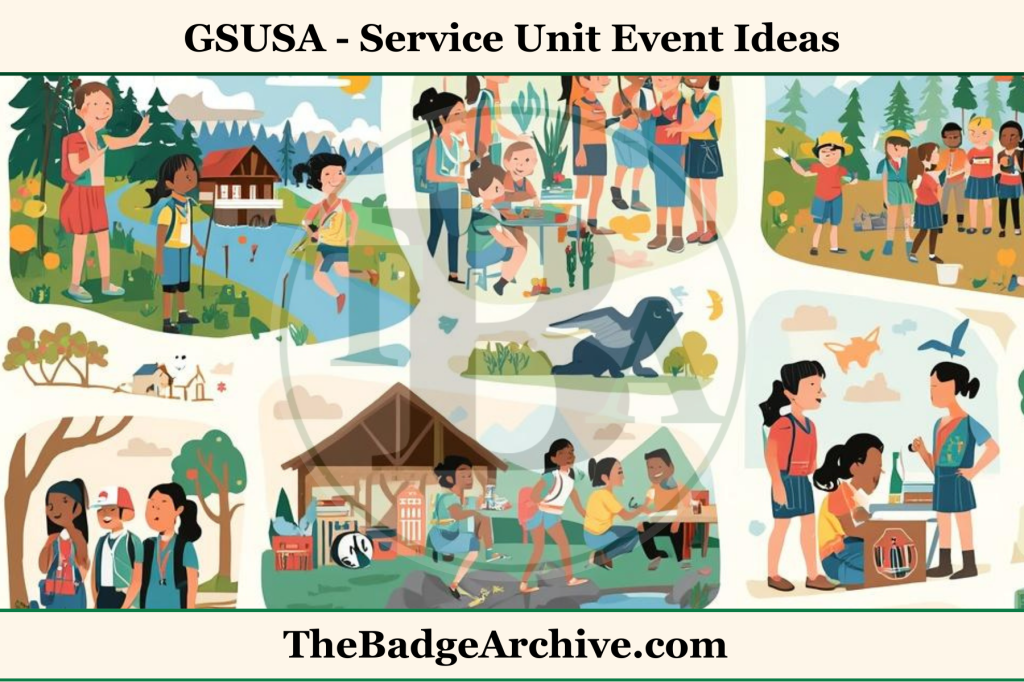
A list of simple activities tailored for elementary-aged scouts to help animals.

- Build or set up a birdhouse or bird feeder to provide shelter and food for local birds.
- Collect old towels or blankets to donate to animal shelters for pets in need.
- Volunteer with an adult at an animal shelter or visit to learn about how they care for animals.
- Make homemade toys for shelter pets using recycled materials, like sock balls or rope toys.
- Help provide clean water for birds and wildlife by setting out a shallow dish of water in your yard.
- Participate in a park or beach clean-up to keep habitats safe for animals.
- Research why reducing plastic pollution helps protect animals and work on ways to use less plastic at home.
- Talk to your family about responsible pet ownership, like keeping pets on leashes and cleaning up after them.
- Learn about adopting animals from shelters and why it’s a kind choice.
- Observe animals in your area (from a safe distance) and keep a journal of what you learn about them.
- Make a poster or presentation about how to treat pets kindly and share it with your friends or class.
- Start a campaign to encourage others to pick up litter that could harm animals.
- Offer to help walk a neighbor’s dog or care for their pet as a way to show kindness to animals.
These activities are practical and inspiring, encouraging young scouts to show care and compassion for animals while learning how to make a difference.
–
Connected Official GSUSA Badges:
Daisy – Animal Observer – 3 Requirements: 1) Look for animal signs either by looking for animal tracks outdoors OR looking up animal habitats. 2) Mimic animals by either playing camouflage hide and seek OR animal charades. 3) Pick an animal and observe them in person OR online to learn more about them.
Daisy – 5 Flowers, 4 Stories, 3 Cheers for Animals! – 1 Requirement: 1) Red Robin Award – Learn how to take care of animals by yourself.
Daisy – Eco Learner – 3 Requirements: 1) Learn what you need to be safe outdoors (show-and-tell) OR learn about what creatures are local to you (wildlife game). AND 2) Learn about how much wildlife is affected by humans walking in nature (watch footprints on a dirt trail while discussing, make a nature circle). AND 3) Learn what affect discarded trash has on wildlife (What does not belong game, trash tale).
Brownie – Pets – 5 Requirements: 1) Learn what 3 different pets costs and how much space, food, and human interaction it needs. AND 2) Make a bed/sleep nook for a pet OR take care of a pet cage/tank/litter box for 2 weeks OR muck out a horse stall 3 times. AND 3) Learn about 3 pets possible health issues and how you would keep it healthy OR 3 pets grooming and try grooming OR take a dog on an exercise walk for one week. AND 4) Make a toy or make up a game and play with a pet OR learn how three different kinds of pets communicate their feelings. AND 5) Feed your pet for two weeks OR feed someone’s pet for one week OR find out how much it costs to feed two different pets for one month.
Brownie – Eco Friend – 4 Requirements: 1)Practice how to help the outdoors (practice on a hike, teach others, make a poster). AND 2) Look at things closely and don’t disturb them (examine objects, see what lives there, make art about it instead of with it). AND 3) Learn about wildlife protection (draw picture of wildlife home or what wildlife think of how humans treat their home, OR visit or talk to a wildlife rescue agency). AND 4) Learn about how to be kind outdoors (talk to park ranger, practice three ways, brainstorm improve outdoor spaces).
Junior – Animal Habitats – 4 Requirements: 1) Watch (live or on video) wild animal(s) and learn how the live, sleep, eat, AND communicate. AND 2) Pick one habitat environment and learn about the animals in it (adaptation, food, OR shelter) OR take a lot of animal pictures and try sorting them into groups (how they look, care for their young, move, etc.) and see if it matches how scientists group animals. AND 3) Learn what shelter animals take in their habitat and draw, sketch, build a model, OR write a story about it. AND 4) Learn about endangered habitats (Artic Circle, Gulf Coast, OR Amazon), the animals in them, and how people are trying to help. AND 5) Help (bring awareness, clean) a habitat (woods, stream, beach, OR park) OR Create a shelter (toad, bat, bird, bee house, OR butterfly/bee garden).
Junior – Eco Camper – 2 Requirements: 1) Prepare food with minimal or no trash (reusable containers, OR fresh fruit and veggies) OR use solar cooking (grilled cheese, nachos, French bread pizza, s’mores, OR roasted apple slices). AND 2) Take a hike with conservation in mind (scavenger hunt for local plants/trees/insects/wildlife/water sources, note things you could make a conservation plan about, OR take sound recordings/video/photos/sketch about wildlife and share them with others after the hike).
Cadette – Animal Helpers – 5 Requirements: 1) Research animals (how three domestic animals changed after human interaction, watch a human-animal documentary, OR make fact cards for animals noted for changing history). AND 2) Visit with an animal helper (emergency service animal, police K-9, airport security, search-and-rescue team, home security training organization) OR learn about animal skills/abilities and brainstorm ways humans could teach those animals to use them to help. AND 3) Visit an organization that trains animals to help emotionally (autism, anxiety, PTSD, dementia, alzheimer’s, long term hospital patients, OR rehab centers), OR interview five pet owners about what difference the pets make in their lives, OR create a fact sheet about research for pets/animals showing a positive effect on people’s emotional/mental health. AND 4) Visit OR research an organization or person with assistant animals for disabilities (visual, hearing, epilepsy, paralysis, OR diabetic) to learn how they were trained and how they help, OR find out the ethics of training by researching if monkeys can be trained in the U.S. AND write/draw your view on both sides of the issue. AND 5) Help animals (advocate with an animal rights group, welfare organization, contact elected officials about important issues, local wildlife conservation) OR collect data for an animal centered Citizen Scientist project (like SciStarter).
Cadette – Eco Trekker – 3 Requirements: 1) Make a plan for an eco-hike with a purpose (address a land/air/water issue, explore water quality, OR explore an invasive species). AND 2) Take your eco-hike and explore an issue while on it (wildlife, water, OR native species). AND 3) Use your eco-hike to make a difference (make a documentary, make an art project to inspire others, OR create an awareness campaign about your issue).
Senior – Eco Explorer – 5 Requirements: 1) Research an eco activist to learn about their work AND the impact they have on the environment OR talk to a conservationist or eco traveler (one who explores environmental issues OR travels in an eco-friendly way). AND 2) Take a trip to investigate the variety of life in a specific ecosystem AND understand the importance of biodiversity (nature conservancy, nature preserve, marine research facility, OR biodiversity farm). AND 3) Research a global environmental issue (threatened wildlife, climate change, water pollution, desertification, ocean acidification, OR rain forest issue) and its effects on ecosystems. AND 4) Organize a trip to a location affected by an environmental issue (state or national park, river/ocean/lake, wildlife sanctuary, wildlife park, OR migration area) AND participate in activities to help address the problem AND 5) Present your findings and experiences to others to raise awareness (troop or school presentation, blog, OR social media) OR inspire action on environmental issues (petition, drive, OR start an organization or club).
Senior – Voice for Animals – 5 Requirements: 1) Learn about pet care and right by a visit/volunteer with a pet/animal expert (shelter, ASPCA, animal-adoption, spay/neuter drive, animal-rescue) OR write a pets’ right document about what it takes to treat pets ethically and respectfully. AND 2) Research two points of view (i.e. scientist vs animal-rights activist) on a product/medical testing, research how a beauty product that was not produced with animal testing was developed AND make a visual timeline or diagram, OR find an experiment/lab study and learn how the animals were treated. AND 3) Learn about husbandry (visit working farm/ranch OR animal breeder) OR research livestock or pet breeding. AND 4) Look into animal sports (rodeo, greyhound racing, polo or dressage, horse racing, OR falconry) or entertainment (movie, circus, zoo, OR dog show) and talk to someone (zookeeper, animal trainer, participants, OR owners and handlers), OR research it AND write something (short story, poem, OR article). AND 5) Choose an animal issue and create something from your research (policy debate, editorial article, or public service announcement).
Ambassador – Eco Advocate – 5 Requirements: 1) Learn about an environmental cause or issue from a trusted person or group (local environment group, council/city employee, city council member/committee, state government or law employee, environmental lobbyist, attorney, legislative advocate, or environmental policies and law). AND 2) Explore an issue that matters to you with trusted sources (environment news/blogs/websites) OR brainstorm ideas with a trusted group (community forum, or troop meeting). AND 3) Make a plan to help the issue with a group (expert, environmental group, activists, or a troop/school group). AND 4) Enhance your project in a meaningful way (Use music/art/photography to highlight and bring awareness, volunteer with established group and help them expand their efforts, OR host an event). AND 5) Teach others in one significant way (create teaching materials, organize a group that will continue your project, OR teach younger activists to support your cause).
Ambassador – Justice Journey – 6 Requirements: 1) Look high, look wide – engaging global issue of environmental justice AND 2) Do the Math – even the simplest acts can lead to powerful and positive changes in the world AND 3) Be Hawk-eyed – from scientists and doctors to lawyers and environmentalists, this journey is rich with eye-opening career possibilities AND 4) Take the scientific view – focused on caring and collaborative work AND 5) Decipher decisions – helps both people and the planet AND 6) Create your equation and present it – create their own equation for justice
GSUSA Council Patch Programs:
There are a lot of Animal Themed Council Patch Programs to check out!
–
For More Fun Ideas and Plans
for Daisy, Brownie, and Junior Scouts
Join the Girl Scout Daisy, Brownie, and Junior Leader Help Facebook Group
(Not an official GSUSA Group)

This is a supportive Facebook community for Daisy, Brownie, and Junior Girl Scout leaders. Whether you’re seeking advice, fresh ideas, or meeting plans, you’re in the right place! Let’s inspire each other, share our experiences, and make every troop meeting a memorable adventure.
Find out how you can support The Badge Archive!
Return to the Make an Eco-Difference.



 The Badge Archive