Name: Francis Albert Augustus Charles Emmanuel
Time Period: 1819–1861
Region: Germany and United Kingdom (Victorian Era)
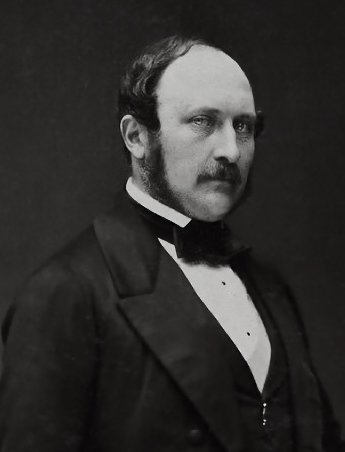
Appearance
Prince Albert was admired for his refined features and dignified presence.
- He had a fair complexion, blue eyes, and wavy chestnut hair often parted to the side.
- Portraits show a symmetrical face with a straight nose, soft jawline, and calm expression.
- He wore neatly trimmed sideburns and was clean-shaven, setting a trend among Victorian men.
- His posture was upright and formal, reflecting discipline and royal decorum.
His appearance conveyed intellect, restraint, and understated elegance.
Style
Albert’s fashion was polished, modest, and influential.
- He favored tailored frock coats, high collars, and patterned waistcoats with metal buttons.
- His accessories included silk cravats, pocket watches, and top hats, never overly flamboyant.
- He popularized mutton-chop sideburns and the bow tie, influencing mid-19th-century menswear.
- He preferred muted colors and fine fabrics, balancing German formality with British taste.
His style shaped Victorian menswear and emphasized refinement over excess.
Reputation
Albert was admired for his intellect, morality, and progressive ideals.
- He was a patron of science, education, and the arts, and helped organize the Great Exhibition of 1851.
- He advised Queen Victoria on political matters and helped modernize the monarchy.
- He was known for his devotion to family, raising nine children with Victoria in a structured, loving household.
- Though initially unpopular, he earned respect for his diplomacy, vision, and quiet leadership.
His reputation evolved from outsider to trusted reformer and cultural architect.
Cultural Impact
Albert’s legacy shaped British society, fashion, and public values.
- He introduced the Christmas tree tradition to Britain and promoted domestic virtue as a royal ideal.
- His influence led to the founding of museums, educational reforms, and architectural projects.
- His image (serious, scholarly, and stylish) became a model for Victorian masculinity.
- He remains a symbol of thoughtful beauty, civic responsibility, and enduring partnership.
His cultural impact proved that elegance and intellect can redefine public life.
Resources:
Scouts can use these trusted sources to learn more or expand their notes:
- Britannica – Biography and overview of Albert’s life, appearance, and legacy.
- British History Hub – Explores his role in education, reform, and cultural development.
- Free UK Genealogy – Discusses Albert’s influence on 1850s men’s fashion.
- Royal Collection Trust – Details his artistic patronage and legacy in photography and design.
- ThoughtCo – Highlights his fashion, personality, and contributions to British society.
- Wikipedia – Timeline, family history, and cultural references.
–
- Return to Beauty Icon Bios
–





 The Badge Archive