Name: Billy Lee Tipton (born Dorothy Lucille Tipton)
Time Period: 1914–1989
Region: United States (Jazz Era, Mid-20th Century)
Appearance
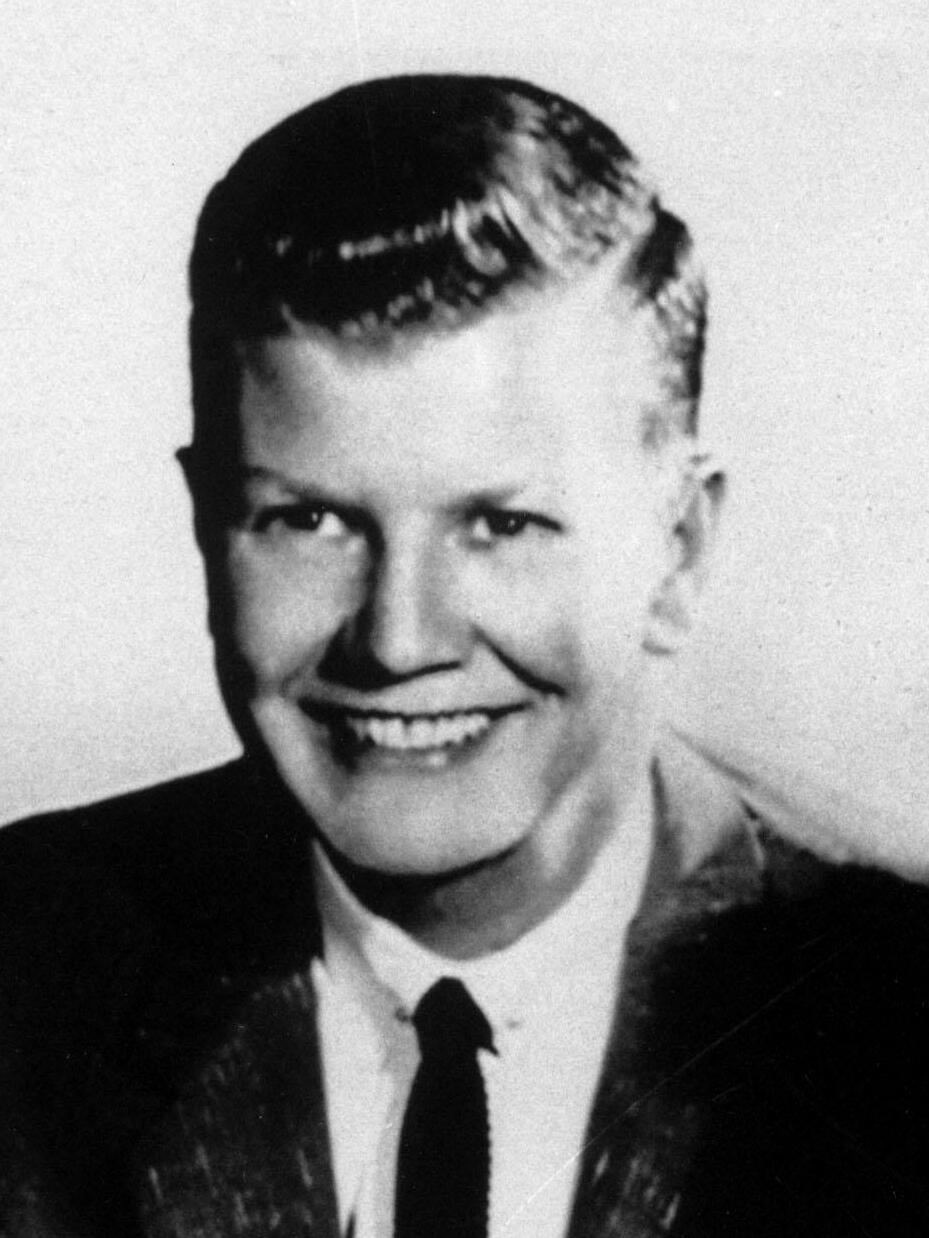
Billy Tipton was admired for his suave presentation and quiet charisma.
- He had slicked-back hair, a clean-shaven face, and a lean build shaped by years of performance.
- His style emphasized masculine grooming: tailored suits, polished shoes, and a confident posture.
- He wore chest binders and used prosthetics to maintain his gender presentation.
- His voice was described as warm and low, and his manner reserved but magnetic.
His appearance reflected both personal conviction and the power of self-definition.
Style
Tipton’s fashion was classic, understated, and performance-ready.
- He favored tuxedos, dinner jackets, and crisp white shirts while leading his jazz trio.
- Offstage, he wore tailored slacks, vests, and modest accessories, never flashy, always composed.
- His wardrobe blended swing-era elegance with small-town practicality.
- He used clothing to affirm his identity and navigate a world that denied women equal opportunity in jazz.
His style was a quiet rebellion, refined, consistent, and deeply intentional.
Reputation
Tipton was admired for his musical talent, professionalism, and mystery.
- He played piano and saxophone in swing bands across the Midwest and Pacific Northwest.
- He led the Billy Tipton Trio, recording jazz standards like “Sweet Georgia Brown” and “Willow Weep for Me.”
- He was known as a kind mentor, devoted partner, and loving father to his adopted sons.
- After his death, it was revealed he had been assigned female at birth, a fact unknown to most of his family and colleagues.
His reputation shifted from obscure musician to icon of courage and complexity.
Cultural Impact
Tipton’s legacy reshaped conversations around gender, identity, and artistic freedom.
- He became a symbol of transgender and gender-nonconforming history in the U.S.
- His story inspired plays, novels (Trumpet by Jackie Kay), and documentaries (No Ordinary Man).
- He challenged assumptions about masculinity, visibility, and authenticity in performance.
- His life continues to inspire artists, activists, and historians exploring queer and trans narratives.
His cultural impact proved that beauty can be lived quietly, bravely, and on one’s own terms.
Resources:
Scouts can use these trusted sources to learn more or expand their notes:
- Encyclopedia.com – Overview of Tipton’s career and gender presentation.
- HistoryLink – Detailed essay on Tipton’s life, music, and posthumous recognition.
- Wikipedia – Biography, career timeline, and cultural legacy.





 The Badge Archive