Managing emotions is an important skill for young scouts, and troop leaders play a key role in helping them learn self-regulation, empathy, and stress management. Whether you’re facing frustration, impulsive behavior, or social conflicts, there are proven techniques to support your scouts in understanding and handling emotions effectively.
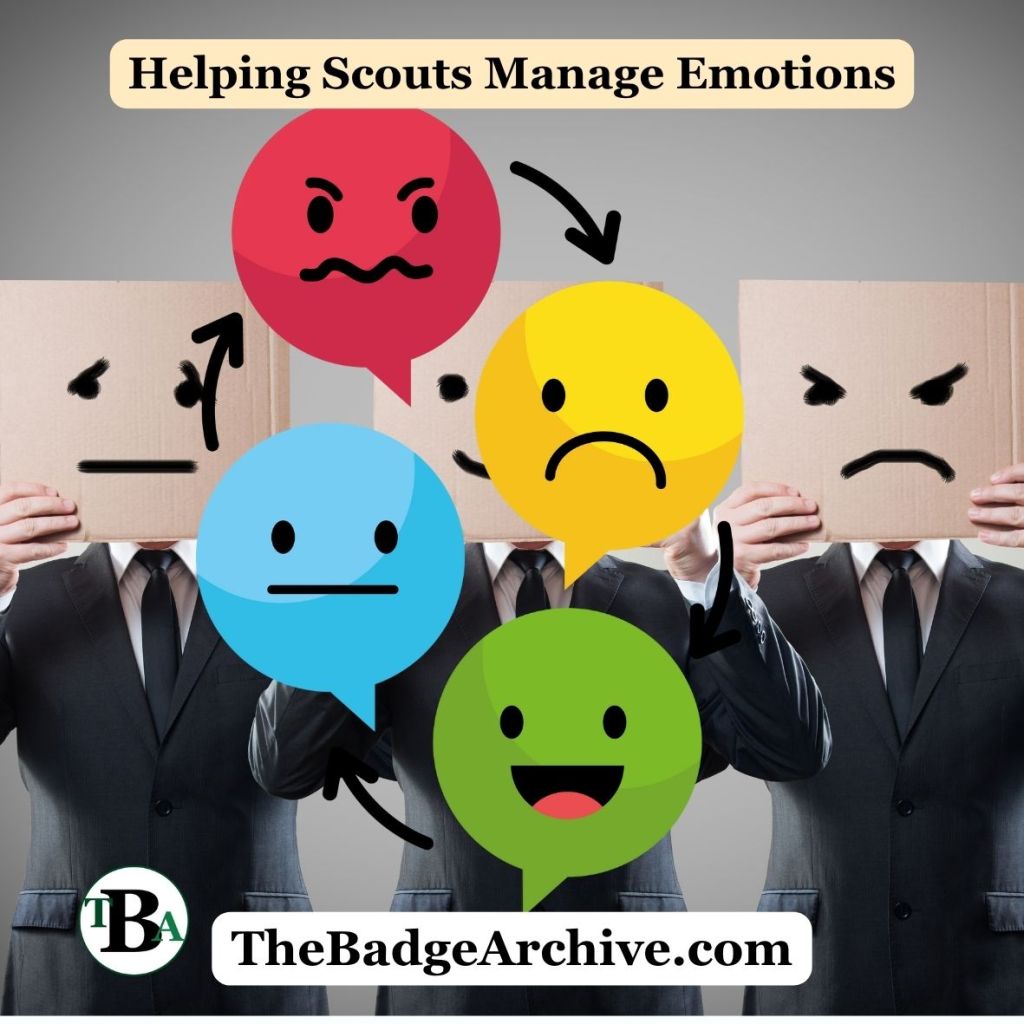
Here are some practical strategies and activities designed to help scouts build emotional awareness, improve decision-making, and strengthen teamwork.
Understanding Emotional Regulation
Emotional regulation means recognizing feelings and learning how to respond in healthy ways. In 2nd – 5th grade, scouts may struggle with:
- Big emotions like frustration, excitement, or nervousness.
- Impulse control, leading to outbursts or difficulty staying focused.
- Peer conflicts, including misunderstandings and social disagreements.
Helping scouts develop self-awareness and practice emotional skills can lead to better friendships, teamwork, and problem-solving abilities.
1. Interactive Emotion Regulation Activities
Engaging activities make emotions more understandable and teach scouts healthy ways to manage them.
Emotion Charades
Scouts act out different emotions while others guess. This helps them recognize facial expressions and body language in themselves and others.
See detailed instructions on the Emotion Charades page.
Zones of Regulation Check-In
Teach scouts to identify their emotions using color-coded categories:
- Green Zone = Calm and focused
- Blue Zone = Sad or tired
- Yellow Zone = Frustrated or excited
- Red Zone = Angry or overwhelmed
Have scouts discuss their zones and practice strategies for calming down or staying focused.
Circle of Control Game
Help scouts differentiate between what they can and cannot control by sorting challenges into “things I can change” vs. “things I cannot.” This builds problem-solving and stress management skills.
For detailed instructions, see the Circle of Control activity page.
Breathing & Mindfulness Exercises
Short breathing techniques can help scouts reset their emotions when they feel overwhelmed.
- Try balloon breathing. Pretend to blow up a balloon slowly with deep breaths, then let it out gradually.
- Remind them of Take 5 Breathing some troops learn as Daisy Scouts.
- A Mindfulness Break can be centered around a breathing technique.
For more interactive ideas, check out these external site links:
2. Social-Emotional Learning (SEL) to Improve Peer Interactions
Many behavior challenges in troops stem from social misunderstandings. SEL techniques help scouts strengthen empathy, communication, and respect.
Conflict Role-Play
Scouts act out common disagreements and practice positive ways to resolve them.
For example:
- How to ask for space when feeling frustrated.
- How to apologize when someone’s feelings are hurt.
See the Conflict Scenarios Role-Play page for step by step instructions.
Gratitude Journals
Encourage scouts to write or share something they’re grateful for each day. Shifting focus to positivity can reduce drama and improve troop morale.
See Gratitude Journals for more details.
Community Circles
Gather scouts to share experiences and emotions in a safe, respectful discussion space. Leaders ask open-ended questions like:
- “What’s one thing that made you happy this week?”
- “What’s a challenge you faced, and how did you handle it?”
See Community Building Circles page for step by step instructions.
For more SEL techniques, check out:
3. Leadership Strategies to Foster a Positive Troop Environment
Strong leadership helps scouts feel supported and accountable for their actions. Here are key techniques to maintain a healthy and respectful troop culture:
Group Behavior Agreements
Let scouts help create their own troop guidelines, giving them ownership over expectations. A simple contract might include:
- Respect others’ space and feelings.
- Use kind words and listen to each other.
- Take responsibility for our actions.
Check out the Group Contracts page to explore this idea.
Positive Reinforcement Systems
Reward good behavior with recognition, small incentives, or fun responsibility roles. When scouts see kindness being appreciated, they model it more often.
For more leadership strategies, check out:
Keep It Simple
By incorporating these emotion regulation techniques, troop leaders can empower scouts with lifelong skills for managing emotions, navigating social challenges, and building strong friendships.
But always remember, KISMIF – Keep it Simple, Make it Fun. If you overcomplicated it, it is more likely to add to the emotional turmoil for both scouts and leaders!
–
For More Fun Ideas and Plans
for Daisy, Brownie, and Junior Scouts
Join the Girl Scout Daisy, Brownie, and Junior Leader Help Facebook Group
(Not an official GSUSA Group)

This is a supportive Facebook community for Daisy, Brownie, and Junior Girl Scout leaders. Whether you’re seeking advice, fresh ideas, or meeting plans, you’re in the right place! Let’s inspire each other, share our experiences, and make every troop meeting a memorable adventure.
for Cadette, Senior, and Ambassador Scouts
Join the Girl Scout Cadette, Senior, and Ambassador Leader Help Facebook Group
(Not an official GSUSA Group)
This is a supportive community for Cadette, Senior, and Ambassador Girl Scout leaders. This group offers solutions to keep older scouts engaged in scouting amidst their busy lives. Share strategies, tackle challenges, and exchange ideas for fun, meaningful activities that resonate with teens and build lasting connections.
Find out how you can support The Badge Archive!
–



 The Badge Archive