See the NEW examples for Autism Awareness to earn the 2025 GSUSA Take Action Award, Global Action Award, or True North Award.
Autism Spectrum Disorder (ASD) affects millions of individuals worldwide, influencing how they experience the world and interact with others. Despite growing awareness, misconceptions about autism persist, making it vital to educate communities and foster acceptance.
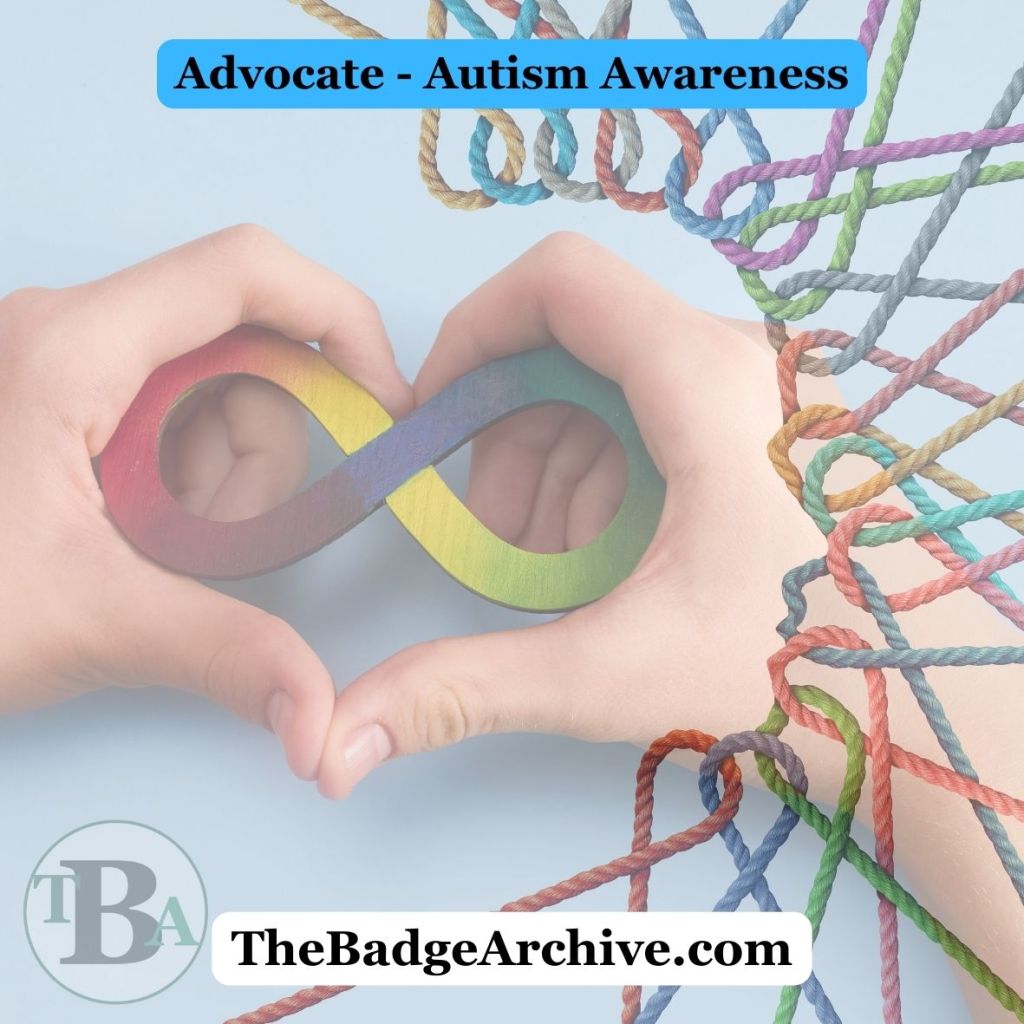
Understanding autism and advocating for inclusivity can create a more supportive environment where neurodivergent individuals feel valued and understood.
Challenges Faced by Autistic Individuals
Autistic people experience the world differently, and certain societal barriers can make life more difficult. Common challenges include:
- Sensory Sensitivities – Many autistic individuals have heightened or diminished responses to sensory input. Loud noises, bright lights, or crowded spaces can be overwhelming.
- Social Misunderstandings – Traditional social norms may feel unnatural or challenging for autistic individuals, leading to misinterpretations by peers.
- Communication Differences – Some autistic individuals are nonverbal, use alternative communication methods, or express thoughts in unique ways that may be misunderstood.
- Stereotypes & Misconceptions – Autism is often misrepresented, with harmful myths suggesting all autistic people lack empathy, have savant abilities, or behave identically. In reality, autism exists on a spectrum, with widely varied experiences.
- Access to Support & Accommodations – Navigating education, employment, and social environments can be more difficult due to a lack of accommodations or understanding in public spaces.
Finding Balance: Creating an Inclusive World
Supporting autism awareness means fostering understanding and embracing neurodiversity. Here are ways to help autistic individuals feel included and respected:
- Learn & Share Correct Information – Understanding autism beyond stereotypes is essential. Seek out resources from autistic advocates to learn firsthand perspectives.
- Respect Different Communication Styles – Recognize and honor varied communication methods, whether verbal, written, or nonverbal, including AAC (Augmentative and Alternative Communication) tools.
- Create Sensory-Friendly Spaces – Encourage businesses, schools, and public venues to implement sensory accommodations, such as quiet areas and flexible lighting.
- Practice Patience & Acceptance – Rather than expecting autistic individuals to conform to neurotypical social norms, embrace their unique ways of engaging with the world.
- Support Self-Advocacy – Listen to autistic voices—self-advocates provide invaluable insight into their needs, strengths, and challenges.
- Challenge Ableism – Call out discrimination and push for policy changes that improve accessibility, education, and employment opportunities for autistic individuals.
Advocate!
A scout can take creative and engaging steps to advocate for autism awareness and educate their peers.
1. Create a Presentation or Skit
- Prepare a PowerPoint or Google Slides presentation with facts and myths about autism, featuring real stories from autistic individuals.
- Write a short skit illustrating misconceptions about autism and how to address them.
2. Launch a Campaign
- Design posters or flyers with slogans like “Different, Not Less” or “Autism Acceptance Starts Here” to display around schools.
- Start a social media challenge encouraging peers to share facts about autism and advocate for inclusion.
3. Host a Peer Workshop
- Organize a discussion where students learn about neurodiversity through interactive activities.
- Use role-playing exercises to demonstrate how small changes in communication and understanding improve social inclusivity.
4. Create an Informational Video
- Film a short educational video explaining autism in an easy-to-understand way.
- Feature self-advocates sharing their experiences to promote firsthand learning.
5. Lead by Example
- Normalize inclusion by encouraging respectful conversations and avoiding ableist language.
- When possible, promote sensory-friendly practices during events or activities.
6. Bring It to School Leadership
- Propose initiatives like “Quiet Zones” in schools or better accommodations for sensory needs.
- Advocate for autism education programs to be integrated into classroom discussions.
7. Write a Creative Piece
- Publish an article in the school newsletter explaining autism awareness and acceptance.
- Write a poem, short story, or comic strip depicting a positive representation of autistic individuals.
By taking these steps, scouts can push for a more accepting and inclusive world, ensuring autistic individuals are understood, respected, and celebrated.
–
For More Fun Ideas and Plans
for Daisy, Brownie, and Junior Scouts
Join the Girl Scout Daisy, Brownie, and Junior Leader Help Facebook Group
(Not an official GSUSA Group)

This is a supportive Facebook community for Daisy, Brownie, and Junior Girl Scout leaders. Whether you’re seeking advice, fresh ideas, or meeting plans, you’re in the right place! Let’s inspire each other, share our experiences, and make every troop meeting a memorable adventure.
for Cadette, Senior, and Ambassador Scouts
Join the Girl Scout Cadette, Senior, and Ambassador Leader Help Facebook Group
(Not an official GSUSA Group)
This is a supportive community for Cadette, Senior, and Ambassador Girl Scout leaders. This group offers solutions to keep older scouts engaged in scouting amidst their busy lives. Share strategies, tackle challenges, and exchange ideas for fun, meaningful activities that resonate with teens and build lasting connections.
Find out how you can support The Badge Archive!
–
- Return to the Advocacy Page
–
References:
- “About Autism – Websites and Program | IACC.” Iacc.hhs.gov, iacc.hhs.gov/resources/about-autism/websites/. Accessed 21 May 2025.
- “Digital Resources for Students with Autism.” Autism Spectrum News, 25 Feb. 2020, autismspectrumnews.org/digital-resources-for-students-with-autism/. Accessed 21 May 2025.
- CDC. “Autism Materials and Resources.” Autism Spectrum Disorder (ASD), 27 Feb. 2024, http://www.cdc.gov/autism/communication-resources/index.html. Accessed 21 May 2025.



 The Badge Archive