When working with very young scouts in kindergarten and first grade, brainstorming and planning community projects can feel daunting, especially for new leaders. These scouts are still developing their understanding of teamwork and big concepts like “community.”
The key is to keep activities simple, engaging, and tailored to their abilities.
What is a Community?
Before jumping into project ideas, help scouts understand what a community is. Explain in simple terms: A community is a group of people who share something, like living in the same place, doing the same work, or liking the same things. Being in a community means we help each other.
Having a Discussion
Keep any discussion to short time periods. Aim for 5 minutes or less of talking at a meeting. Ask questions like “Who do you think is part of our community?” and “What do people in our community need?”
Keep the conversation interactive and positive. You can even show pictures of community helpers, like firefighters, teachers, or nurses, to spark ideas.
Avoid broad questions and use specific ones like “What could we do to help people around us?” and “How do we make someone feel happy or cared for?”
Simple Ideas to Inspire Young Scouts
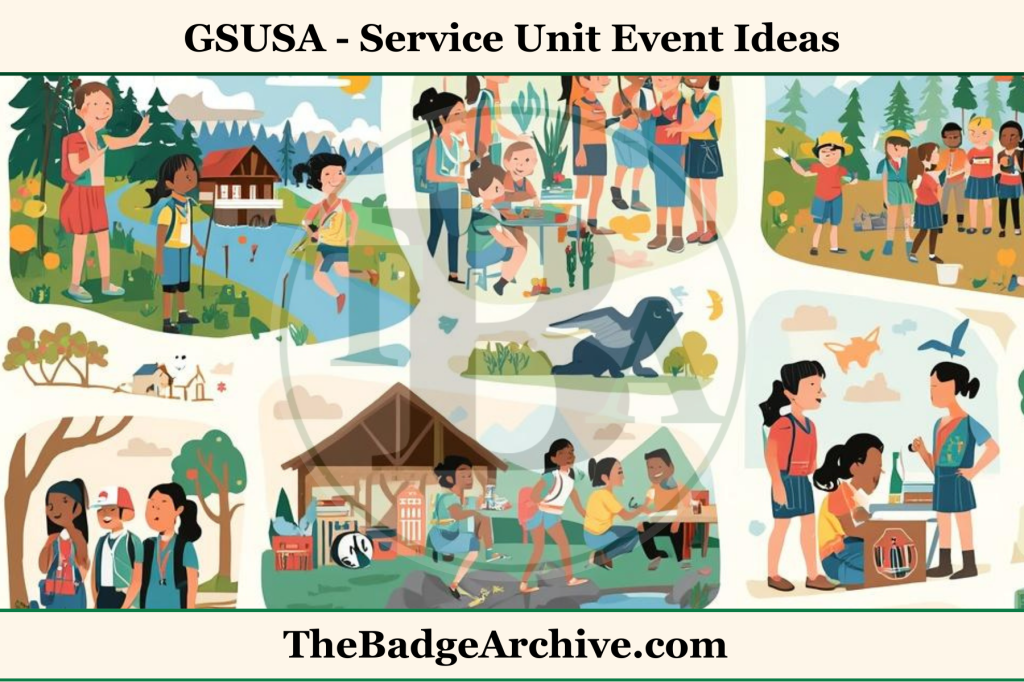
- Card-Making: Create cheerful cards for nursing home residents, hospital patients, or teachers.
- Food Drive: Collect canned goods for a local food bank and decorate collection boxes.
- Planting Flowers: Plant flowers in a park, school, or neighborhood area. (This would qualify for a GSUSA TAP Project)
- Bird Feeders: Make simple bird feeders using items like milk cartons or pinecones. (This may qualify for a GSUSA TAP Project)
- Kindness Rocks: Paint colorful stones with uplifting messages to leave around the community.
- Toy Donation Drive: Collect gently used toys to donate to local shelters or community centers.
- Neighborhood Cleanup: Pick up litter in a safe, supervised area like a park or school playground.
- Snack Packs for Helpers: Assemble small snack bags for firefighters, police officers, or teachers as a thank-you.
- Book Swap or Donation: Organize a book swap or donate books to a library or children’s hospital.
- Decorate Lunch Bags: Brighten up plain paper lunch bags with drawings and messages for food banks or meal services.
- Water Station for Park Visitors: Set up a simple water station in a park with cups and jugs to refresh joggers and walkers (with adult assistance).
- Dog Treat Bags: Make homemade dog treats or pack store-bought ones to donate to animal shelters.
- Community Art Display: Create colorful posters or crafts to hang in public spaces like libraries or parks to spread joy. (This may qualify for a GSUSA TAP Project if it is educational)
Voting
Once the scouts come up with ideas, guide them to select one. Use a voting system with hand-raising or stickers to make it fun and interactive.
If you have the scouts plan it out…
They need help to break it down into manageable steps:
- Who will we help?
- What do we need for the activity?
- How will we make it happen?
For example, if they choose a food drive:
- Decide where to place donation boxes (e.g., school or church).
- Decorate the boxes during the next meeting.
- Plan how scouts will ask for donations (e.g., handing out flyers or making announcements).
Helping New Leaders Navigate Challenges
New leaders may feel uncertain about what young scouts can handle. Remember, projects don’t need to be elaborate to make an impact. Here are some tips:
- Start Small: Focus on activities that can be completed in one meeting, like making cards or bird feeders.
- Use Visuals: Show pictures or examples of the activity to help scouts understand the goal.
- Encourage Participation: Even simple tasks, like gluing decorations or handing out flyers, are meaningful to young scouts.
- Keep It Flexible: If something feels too complex, scale it down. It’s about the experience, not perfection.
Reflection and Learning
After brainstorming, take a moment to reflect with the scouts. Ask questions like:
- “Why is it important to be friendly and helpful in our community?”
- “How will this activity help others?”
This helps young scouts understand the value of their actions and connects the activity to the broader concept of kindness.
Conclusion
Planning and brainstorming community projects with very young scouts is a rewarding experience.
Remember, it’s not about the size of the project—it’s about the smiles and learning moments along the way!



 The Badge Archive